
How to Get Your First AIN Job in Sydney
Aug 21 , 2026
Call us 24/7 on
1300 10 50 10Follow us:


Call us 24/7 on
1300 10 50 10Follow us:
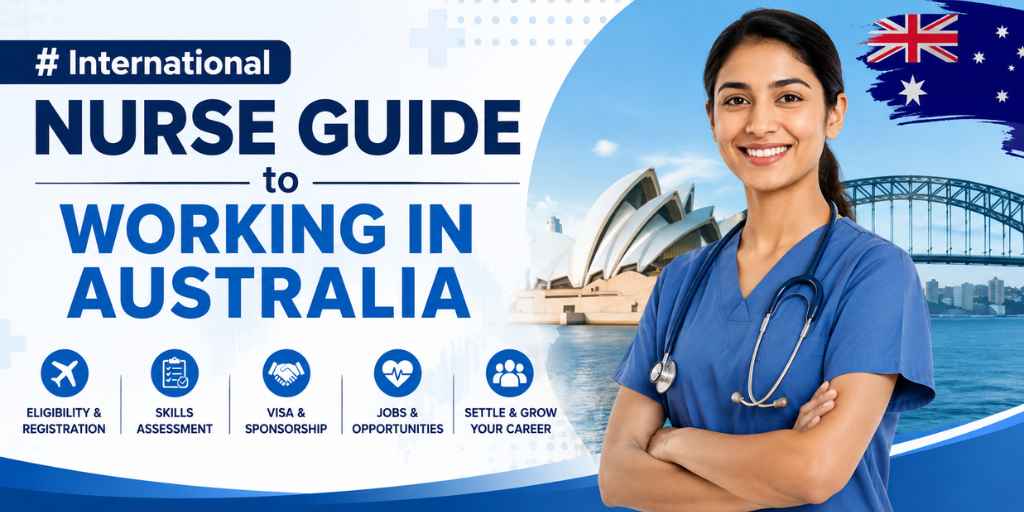
Australia is one of the most sought-after destinations for internationally qualified nurses. With a world-class healthcare system, competitive salaries, excellent work-life balance, and strong demand for skilled healthcare professionals, it’s an attractive place to build a rewarding nursing career.
Whether you’re a registered nurse from New Zealand, the United Kingdom, India, the Philippines, Ireland, or another country, understanding the Australian registration process and employment requirements is essential before making the move.
This guide covers everything international nurses need to know about working in Australia.
Australia offers numerous benefits for overseas nurses, including:
With an ageing population and increasing healthcare demands, nurses continue to be among Australia’s most in-demand professionals.
Before you can work as a nurse in Australia, you must obtain registration with the Nursing and Midwifery Board of Australia (NMBA).
Registration is managed through the Australian Health Practitioner Regulation Agency (AHPRA).
The registration process typically involves:
Depending on your qualifications and country of training, you may need additional assessments before registration is approved.
Most internationally qualified nurses must demonstrate English language proficiency.
Accepted English language tests may include:
Meeting the required scores is essential for registration and employment.
Some applicants may be exempt depending on where they completed their nursing education or previous employment history.
Having your documents ready can significantly speed up the registration and recruitment process.
Common documents include:
Keeping certified copies readily available helps avoid unnecessary delays.
Australia offers nursing opportunities across many healthcare settings, including:
Many international nurses also choose agency nursing, which offers flexible work schedules and exposure to a variety of healthcare environments.
Certain nursing specialties remain in high demand across Australia.
These include:
Having experience in these areas may improve your employment opportunities.
International nurses can work in both metropolitan and regional locations.
Working in major cities offers:
However, competition for some positions may be higher.
Regional healthcare providers often experience greater nursing shortages.
Benefits may include:
Many nurses find regional placements rewarding both professionally and personally.
Australian nurses commonly work rotating rosters, including:
Penalty rates generally apply for evenings, nights, weekends, and public holidays, increasing overall earnings.
Nursing salaries in Australia vary depending on:
In addition to base salaries, many nurses receive:
Agency nurses may also receive competitive hourly rates and flexible contracts.
Many international nurses choose to work with specialist healthcare recruitment agencies because they simplify the employment process.
A professional nursing recruitment agency in Australia can assist with:
Having an experienced recruiter can make relocating to Australia much less stressful.
To maximise your success, consider the following tips:
Being well prepared helps you adapt quickly to your new workplace.
Moving to another country always comes with challenges.
Common issues include:
Fortunately, most nurses settle successfully with the right preparation and professional support.
Australia continues to experience growing demand for qualified nurses due to:
International nurses play a vital role in helping meet these healthcare demands while enjoying rewarding career opportunities.
Working as an international nurse in Australia offers exciting career prospects, competitive salaries, and an exceptional quality of life. Although the registration and relocation process may seem complex at first, careful planning and the right guidance can make the journey much smoother.
Whether you’re seeking permanent employment, agency nursing opportunities, or flexible contracts across Australia, there has never been a better time to explore a nursing career in Australia.
If you’re an internationally qualified nurse looking to work in Australia, Medical Staff is here to help. Our experienced healthcare recruitment team can guide you through every stage of the process, from registration advice and job matching to interview preparation and placement support. Contact Medical Staff today to discover exciting nursing opportunities across Australia and take the next step in your healthcare career.

Follow us: